
Functional Mushrooms, Medicinal Mushrooms
Is Cordyceps Mushroom Extract Safe? What You Need to Know
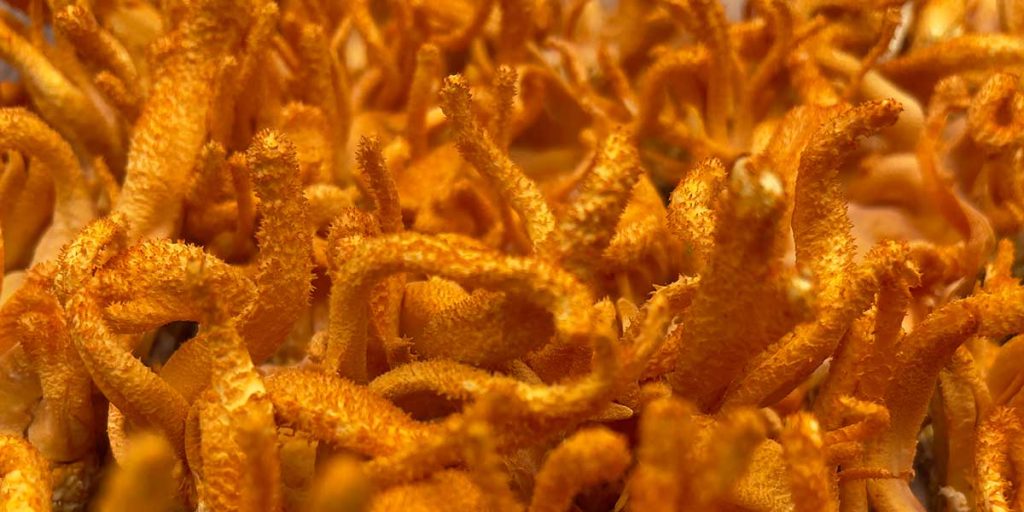
The popularity of functional mushrooms has skyrocketed over the last few years, with wellness enthusiasts turning to these natural wonders for everything from immune support to cognitive focus. Among them, cordyceps has taken center stage as a powerhouse for natural energy, physical stamina, and athletic recovery.
But as with any highly potent dietary supplement, the most important question you should ask before introducing it to your daily routine is: Is cordyceps mushroom extract safe?
Yes, cordyceps mushroom extract is generally safe for most healthy adults when taken in standard dosages (1,000–3,000 mg daily). However, mild side effects like digestive upset can occur. Because cordyceps can slow blood clotting and stimulate immunity, individuals on blood thinners, awaiting surgery, or managing autoimmune diseases should avoid it.
To safely maximize the benefits of this unique functional mushroom, it helps to understand its side effects, potential drug interactions, and how proper sourcing drastically alters the quality of what you put in your body.
Common Side Effects of Cordyceps Extract
For the vast majority of people, cordyceps is incredibly well-tolerated. It is classified as an adaptogen, meaning it generally works with your body to restore balance rather than forcing a drastic physiological shift. However, introducing any concentrated botanical extract to your routine requires a small adjustment period.
When side effects do occur, they are typically mild, temporary, and easily managed. They most commonly include:
- Digestive Upset: Mild nausea, abdominal bloating, or temporary changes in bowel movements as your gut microbiome adapts to the mushroom’s unique fibers.
- Dry Mouth or Throat: Some users report a dry sensation in the mouth, which is usually resolved by staying well-hydrated.
- Mild Headaches: Occurring rarely, temporary headaches are usually a sign of taking too high of a starting dose.
Pro-Tip: If you have a sensitive stomach or are brand new to functional mushrooms, start with a half-dose for the first 3 to 5 days to smoothly assess your personal tolerance.
Who Should Not Take Cordyceps Mushroom Extract?
While cordyceps is a fantastic, deeply restorative tool for most healthy individuals, functional mushrooms are metabolically active. They interact with your body’s chemistry. Because of how cordyceps moves through your system, there are three specific groups of people who should hold off on taking it—or at the very least, have a serious conversation with their primary healthcare provider first.
1. People on Blood Thinners or Awaiting Scheduled Surgery
Cordyceps contains active bio-compounds (like adenosine) that naturally slow down blood platelet aggregation. Essentially, it keeps your blood moving smoothly and prevents it from clotting too quickly.
If you are a healthy adult, this is often celebrated as a cardiovascular benefit. However, if you are already taking prescription blood thinners, stacking cordyceps on top can thin your blood too much, increasing your risk of easy bruising or bleeding.
Additionally, because of these anti-coagulant properties, you should completely stop taking cordyceps extract at least two weeks before any scheduled surgery or dental procedure to avoid complications with bleeding during or after the operation.
2. Individuals Managing Autoimmune Diseases
One of the primary reasons people love functional mushrooms is their ability to act as an immunomodulator. Cordyceps actively stimulates certain parts of the immune pathway to help the body fight off environmental stressors.
But if you are living with an autoimmune condition—such as Multiple Sclerosis (MS), Lupus (SLE), or Rheumatoid Arthritis (RA)—your immune system is already hyperactive and mistakenly attacking your own tissues. Introducing a potent extract that turns up the volume on immune activity can potentially cause a symptom flare-up.
3. Pregnant or Breastfeeding Individuals
This restriction comes down to a simple lack of clinical data. There is absolutely no evidence suggesting that cordyceps is toxic or dangerous to a developing baby or a nursing infant. However, because clinical trials rarely test herbal extracts on pregnant individuals, we just don’t have the hard data to guarantee 100% safety. When it comes to pregnancy, it is always best to err on the side of caution and pause the extract until you are finished nursing.
Cordyceps Drug Interactions to Watch For
Because cordyceps influences your immune system, blood circulation, and metabolic rate, it can alter how certain prescription medications function. If you take any of the following types of drugs daily, it’s incredibly important to check in with your doctor before adding cordyceps to your morning routine.
- Anticoagulants and Antiplatelet Medications: Stacking cordyceps with prescription blood thinners like Warfarin (Coumadin), Clopidogrel (Plavix), Heparin, or daily heavy Aspirin magnifies the medication’s effects, increasing the likelihood of prolonged bleeding or nosebleeds.
- Immunosuppressant Medications: Doctors typically prescribe immunosuppressants, such as Cyclosporine, Tacrolimus, Mycophenolate, or Prednisone, to calm the immune system down for organ transplant recipients or to manage severe autoimmune flare-ups. Because cordyceps turns the immune response up, it can directly counteract these medications, making them less effective.
- Diabetes Medications: Cordyceps has shown a fascinating ability in clinical settings to help mimic insulin and naturally lower blood glucose levels. However, if you are actively managing Type 2 Diabetes and taking blood sugar-lowering medications like Insulin, Metformin, or Glipizide, adding cordyceps can cause a compounding effect. This can cause your blood sugar to drop lower than intended, increasing the risk of hypoglycemia.
How Sourcing Impacts Cordyceps Safety and Quality
When looking at a bottle of cordyceps extract, it’s easy to assume that all products are created equal. But the supplement market can be tricky. How the mushroom was grown, and what part of the organism was actually harvested, plays a massive role in how safe and effective the product is for daily use.
To get a safe, clean, and potent supplement, you need to understand the difference between fruiting bodies and mycelium on grain.
The Power of the Fruiting Body
The fruiting body is the actual, fully developed mushroom you can see growing above the ground. In nature, or on a highly specialized mushroom farm, the fruiting body is where the organism concentrates its active medicinal compounds, specifically beta-glucans and cordycepsin.
When an extract is made from 100% real fruiting bodies, you are getting a pure, concentrated dose of the mushroom itself, with zero fillers. This means you can take smaller doses and get predictable, reliable results.
The Problem with “Mycelium on Grain” (MOG)
Many mass-produced cordyceps supplements on the market don’t actually contain mushrooms at all. Instead, they use mycelium on grain.
Mycelium is the underground, root-like structure of the mushroom. In commercial labs, manufacturers will grow this mycelium rapidly in plastic bags filled with sterilized grains like rice, oats, or wheat. Because it’s impossible to separate the microscopic mycelial threads from the grain, the entire block—rice and all—is dried, powdered, and turned into an “extract.”
This compromises your safety and quality in a few ways:
- Starch Fillers: A huge percentage of a mycelium-on-grain powder is just residual agricultural starch from the leftover grain, not active mushroom medicine. You end up paying premium prices for ground-up rice.
- Gluten and Allergen Risks: Because the grain substrate is ground directly into the final product, people with severe gluten sensitivities or wheat allergies can experience adverse digestive reactions. True mushroom fruiting bodies are naturally gluten-free, but MOG products introduce hidden allergens.
- Unpredictable Dosing: Because these products are heavily diluted with grain, users often take massive quantities trying to feel the energy-boosting benefits, which increases the likelihood of stomach irritation.
To ensure safety and potency, always read the fine print. Look for brands like Guided By Mushrooms that explicitly state “100% Mushroom Fruiting Bodies” and avoid bottles that hide behind terms like “mycelial biomass” or list grains under the “Other Ingredients” section.
How to Take Cordyceps Safely: Dosage and Guidelines
If you have checked the safety parameters and are ready to add cordyceps to your lifestyle, the final step is getting your dosage right. Because a high-quality cordyceps extract is naturally energizing, a little bit goes a long way.
Safe Daily Dosage Range
In most modern human clinical trials and traditional usage, a safe and effective daily dose for a standardized, pure extract ranges from 1,000 mg to 3,000 mg (1 to 3 grams) per day.
- If you are using a liquid extract (tincture): This usually translates to 1 to 2 droppers full daily, depending on the concentration of the brand.
- If you are using a hot-water extracted powder: This is typically around 1/2 to 1 teaspoon daily, easily mixed into morning coffee, tea, or a smoothie.
Timing and Tolerance Tips
Because cordyceps optimizes cellular oxygen utilization and boosts natural ATP production (your body’s primary energy currency), it is best taken in the morning or early afternoon. Taking it too close to bedtime might leave you feeling a bit too energized to fall asleep easily.
Final Thoughts: A Powerful, Safe Functional Ally
When sourced responsibly and used correctly, cordyceps mushroom extract is an incredibly safe, time-tested tool for boosting daily stamina, supporting immune function, and enhancing physical performance. The key to safely enjoying its benefits comes down to simple consumer awareness: buy pure fruiting body extracts to avoid grain fillers, start with a modest dose, and make sure your current health status or medications don’t conflict with its natural bio-activities.
Frequently Asked Questions
Can I take cordyceps every day?
Yes. Clinical studies tracking daily cordyceps usage for up to a year have shown excellent safety profiles with no toxic buildup or dependency issues. In fact, functional mushrooms work best when taken consistently over time to allow their balancing properties to fully integrate with your system.
Does cordyceps cause liver or kidney damage?
No. In fact, peer-reviewed medical studies suggest that cordyceps actually possesses protective qualities for both the liver and kidneys, helping to mitigate oxidative stress. However, this safety guarantee only applies to clean, third-party tested extracts that are verified free of heavy metals and agricultural contaminants.
Does cordyceps interact with caffeine?
Cordyceps does not contain caffeine, nor does it act as a central nervous system stimulant in the way coffee does. Instead, it supports cellular energy. Stacking cordyceps into your morning coffee is a very popular practice; it generally provides smooth, sustained physical energy without the typical caffeine jitters or afternoon crash.
How long does it take for cordyceps to work?
While some individuals notice an immediate lift in acute endurance or breathing capacity within 30 to 45 minutes of a single dose, the deep metabolic and immune-balancing benefits of cordyceps typically take 2 to 3 weeks of daily, consistent use to become fully apparent.
